Are Modern Diseases Nature’s Way of Evolving Humanity?
Are Modern Diseases Nature’s Way of Evolving Humanity?
A reflection on epigenetics, adaptation, and survival in the age of chronic illness

We often think of evolution as something that happened long ago — when primitive humans fought off predators or survived harsh climates. But what if evolution is still happening right now, only in a quieter, more subtle way?
Here’s a thought worth sitting with:
Maybe the human population today is undergoing a new kind of evolutionary pressure — not from famine or predators, but from stress, pollution, chemicals, gut toxins, chronic infections, and physical overstrain.

Our genes are remarkably sensitive to the environment. They respond, adapt, and switch on or off depending on the signals
we send through our daily habits, diets, and exposures. If that’s true, then our modern environment — as toxic, fast-paced, and nutrient-poor as it is — might be triggering epigenetic adaptations that help future generations survive better under these new conditions.
And if so, what happens to those who don’t adapt?
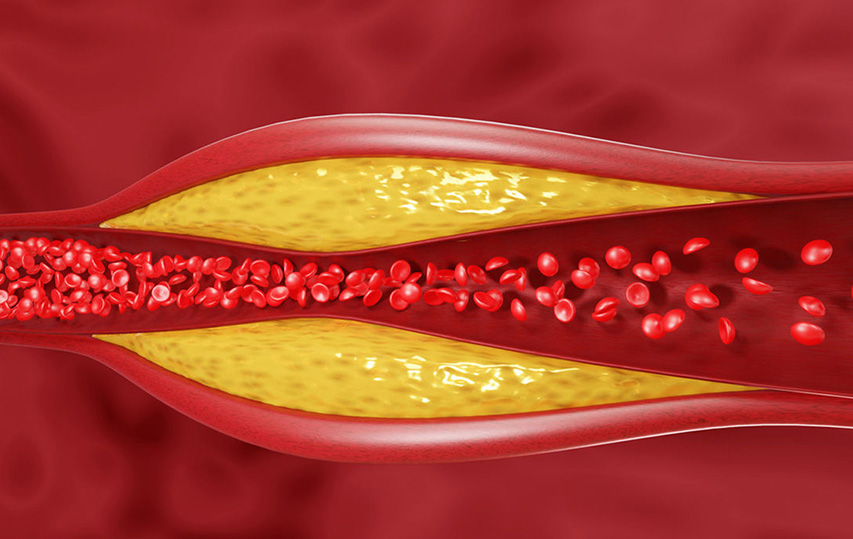
Could it be that conditions like metabolic syndrome, type 2 diabetes, obesity, heart disease, hypertension, and cancer are not random misfortunes — but signs that certain genetic and metabolic profiles are struggling to cope with this evolutionary shift?
That sounds harsh, almost Darwinian: survival of the fittest, but in the age of inflammation. Yet there’s truth in it.
1. Evolution never stopped — it just changed form

In the past, evolutionary pressure came fast and fatal — infections, predators, starvation. Those who survived passed on genes of resilience.
Today, our challenges are slow and insidious. Few die young from hunger or wild animals; instead, we suffer from chronic metabolic overload — excess calories, constant stress, environmental toxins, poor sleep, emotional depletion. Modern medicine saves lives but also removes the natural selection that once filtered genetic vulnerability.
So evolution now works through more subtle mechanisms — epigenetic adaptation rather than outright elimination.
2. Epigenetics: evolution’s real-time adjustment tool

Epigenetics is how our genes “listen” to the environment and adjust their activity without changing the DNA code. It’s a living conversation between biology and lifestyle.
When the environment turns hostile — too many toxins, too much stress — some people’s epigenetic systems recalibrate to survive: they detoxify more efficiently, keep inflammation under control, maintain energy balance. Others struggle. Over generations, the survivors of this biochemical war may represent a new baseline of resilience.
3. The modern mismatch: when ancient genes meet a toxic world

The real issue isn’t that people are “weak” — it’s that our genes were forged in a world of sunlight, movement, natural food, and scarcity. Now we live indoors, overfed, under-rested, and overstimulated. Our ancient biology simply can’t keep up.
Those developing chronic disease aren’t failures of evolution — they’re signals that the environment has become evolutionarily misaligned with human design. They are, in a sense, the canaries in the coal mine warning that our collective environment is toxic to the species.
4. But here’s the hopeful part: we can direct evolution

For the first time in history, humans understand enough about biology to influence their own epigenetic expression.
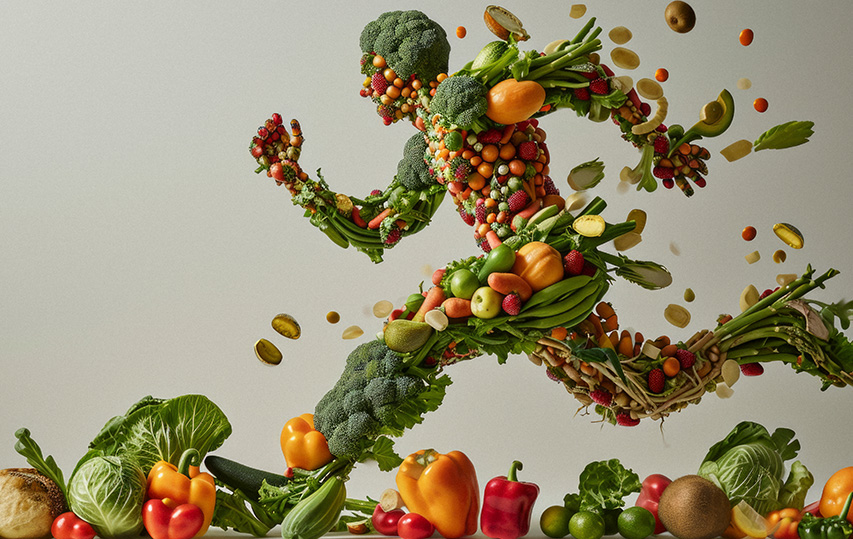
Through nutrition, exercise, detoxification, stress regulation, and regenerative interventions, we can teach our genes to respond differently.
This is no longer passive evolution — it’s participatory evolution.
Instead of waiting for nature to weed out the unfit, we can actively train our bodies to thrive in this new environment.
5. The new definition of “fit”

In the 21st century, “fitness” is not just about strength or beauty — it’s about cellular adaptability. The people who will thrive are those who understand how to work with their biology, not against it.
And that, ultimately, is what functional medicine is about — guiding human biology to thrive in an environment our genes were never designed for.
Take Home Message
Perhaps chronic disease isn’t just a crisis of health — it’s a message from nature, asking us to evolve with awareness. Those who listen and adapt will carry forward a biology that can thrive amid modern chaos. Those who ignore it will struggle in bodies that are out of sync with their time.
Either way, evolution continues — not in the jungle, but in our cells.